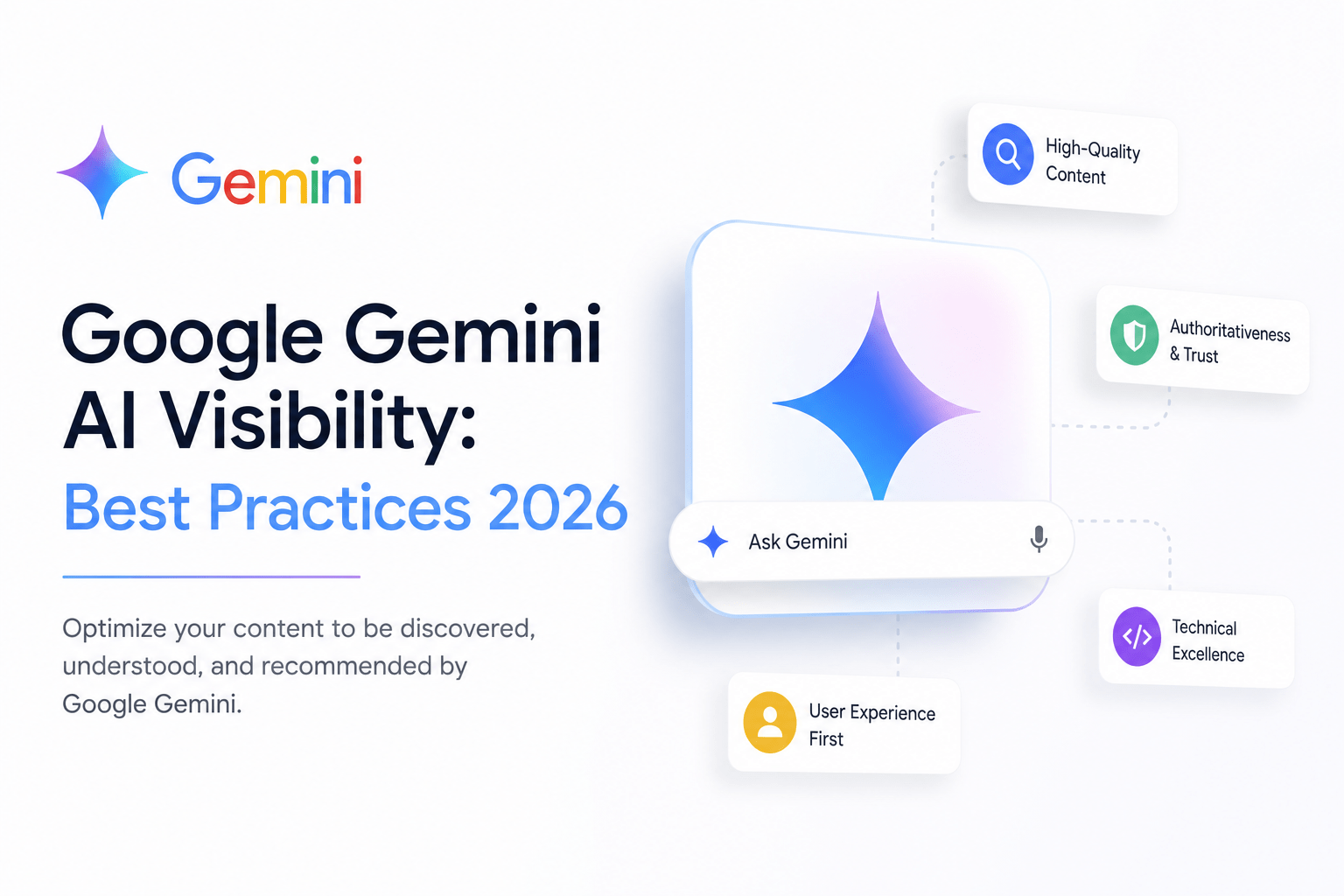
Google Gemini AI visibility is now one of the most important factors in whether your content gets seen in search results. Google’s AI Overviews, powered by Gemini, pull answers directly from web pages and display them before organic results. That means your article might answer a question perfectly but still get skipped if it is not structured the right way. This guide covers the best practices to help your content appear in Gemini-powered AI Overviews and grow your search visibility in 2026.
What Google Gemini AI Visibility Actually Means
Google Gemini AI visibility refers to how often and how prominently your content appears inside Google’s AI-generated answer panels. These panels now appear at the top of many search results pages. They summarise answers from multiple sources and often reduce the need for users to click through. Therefore, appearing inside an AI Overview can still drive meaningful brand recognition and some direct traffic.
Google’s Gemini model reads, interprets, and synthesises content from across the web. It then presents a blended answer rather than a single ranked result. As a result, traditional ranking signals still matter, but they work alongside new factors like content structure, clarity, and directness. Furthermore, your content needs to be authoritative enough for Gemini to trust it as a reliable source.
- AI Overviews appear above standard organic results on many queries
- Gemini draws from multiple pages, not just the top-ranked one
- Content structure and clarity directly affect AI inclusion
- Brand trust and topical authority support AI visibility
- Click-through rates may shift as users engage with AI answers first
How to Structure Content for Google Gemini AI Visibility
Additionally, content structure is one of the most important factors for google gemini ai visibility. Gemini reads pages the same way a careful editor would. It looks for clear headings, direct answers, and well-organised information. Therefore, each section of your article should open with a complete, standalone sentence that directly addresses the topic of that section.
Use H2 and H3 headings that reflect real search queries. Avoid vague or clever headings that do not describe the content below them. Similarly, keep paragraphs short and focused. Each paragraph should cover one idea clearly. Gemini extracts individual paragraphs from pages, so every paragraph needs to make sense on its own without relying on the ones around it.
Writing Paragraphs That AI Can Extract
Every paragraph should state its subject explicitly in the first sentence. Do not open a paragraph with words like “this” or “it” referring to a previous idea. Instead, name the concept directly. For example, instead of writing “It improves rankings,” write “Clear content structure improves your chances of appearing in AI Overviews.” This approach makes each paragraph extractable and useful to AI systems looking for specific answers.
- Open every paragraph with the subject named explicitly
- Keep each paragraph under four sentences
- Write headings that match real question formats
- Avoid relying on surrounding paragraphs for context
Google Gemini AI Visibility and Topical Authority
Google Gemini AI visibility improves significantly when your website covers a topic in depth across multiple pages. Topical authority means your site is recognised as a reliable and comprehensive source on a subject. Gemini is more likely to pull from sites that cover a topic thoroughly rather than those with only one or two loosely related articles.
Building topical authority requires consistent content planning. You need to cover the core topic, related subtopics, and common questions in a structured way. Consequently, a content strategy built around real search queries gives you a much stronger foundation. Tools like AI search visibility planning with Remway help you identify which topics to cover next using actual Google Search Console data.
Furthermore, internal linking between related articles signals to Google that your content forms a connected body of knowledge. For example, linking a guide on AI content strategy to a supporting article on content planning reinforces the relationship between topics. This approach strengthens topical signals across your entire site. You can also explore AI search visibility best practices to build a more complete content map.
- Cover core topics and subtopics across multiple pages
- Use internal links to connect related content
- Plan content using real search queries, not guesses
- Update older articles to keep topical coverage fresh
Search Intent and Its Role in Gemini AI Visibility
Search intent is the primary reason a user types a query into Google. Google Gemini AI visibility depends heavily on whether your content matches the intent behind a search query. Gemini evaluates not just whether your page mentions the right words, but whether it actually answers the question the user was asking. Therefore, understanding intent before writing is essential.
There are four main intent types: informational, navigational, commercial, and transactional. AI Overviews appear most frequently on informational queries, where users want to learn something rather than buy something. Consequently, informational content that is clear, direct, and well-structured has the best chance of appearing in Gemini-powered answers.
Matching Content Format to Intent
Different query types call for different content formats. A how-to question benefits from numbered steps. A what-is question benefits from a clear definition in the first sentence. A comparison query benefits from a structured table. Matching your format to the intent of the query makes it easier for Gemini to identify and extract the right answer from your page.
- Use numbered steps for how-to and process queries
- Open definition-style content with a direct answer sentence
- Include comparison tables for side-by-side queries
- Use bullet lists for feature or benefit-style questions
Using Search Data to Improve Google Gemini AI Visibility
Data-led SEO is one of the most reliable ways to improve google gemini ai visibility over time. Instead of guessing which topics to target, you can use real search query data from Google Search Console to find exactly what your audience is already searching for. This approach removes guesswork and helps you create content that matches genuine demand.
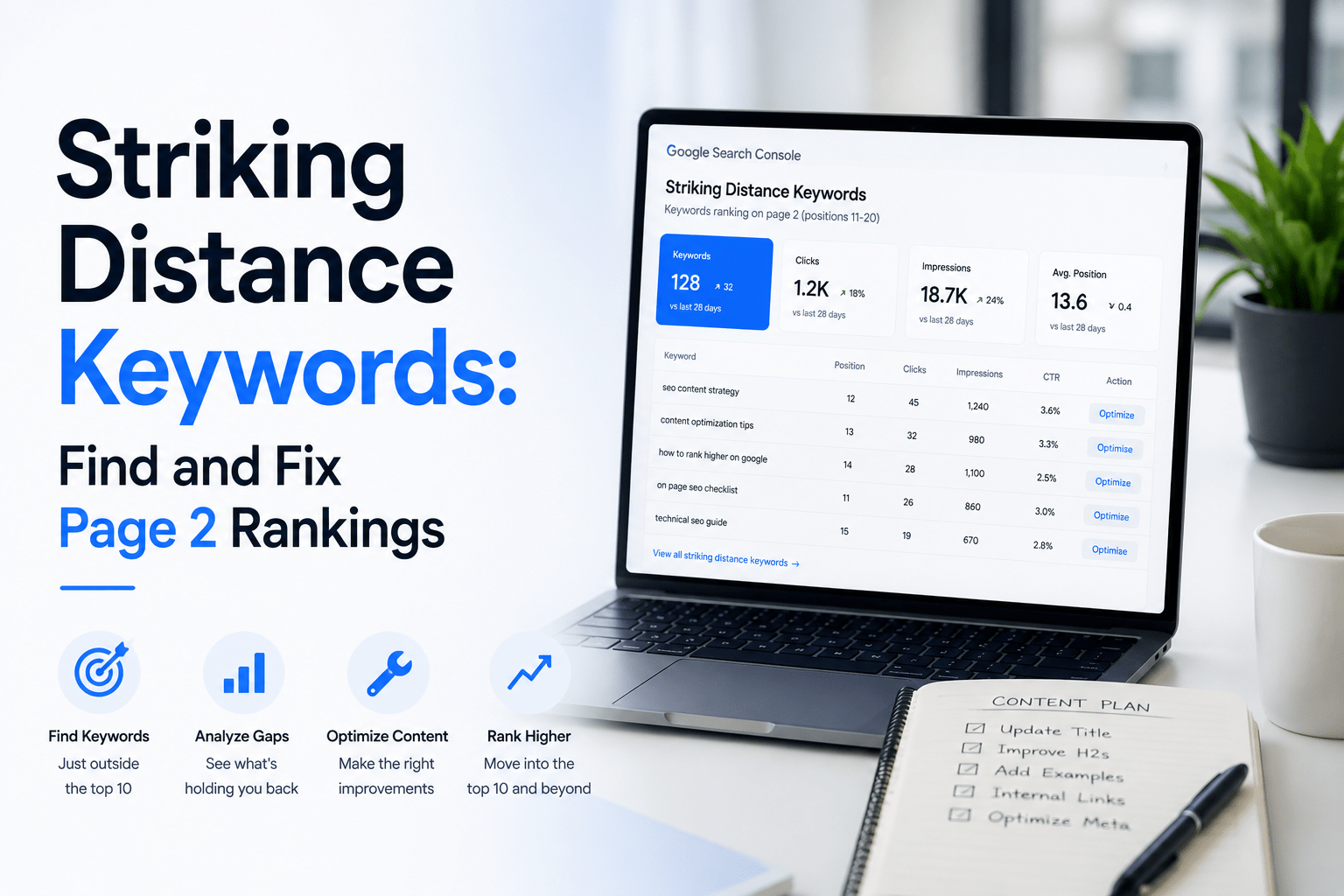
Remway connects directly to Google Search Console and surfaces content opportunities based on your actual impressions, clicks, and average position data. For example, if a page has high impressions but low clicks, that query may be a strong candidate for a focused article that answers the question more directly. Moreover, pages sitting at average positions between 5 and 20 often represent low-hanging SEO opportunities worth targeting with improved or expanded content. You can also check AI visibility tools compared to see how different platforms handle this kind of data-led planning.
Additionally, tracking content decay is important. Older articles that once ranked well can lose visibility over time. Refreshing those articles with updated information, better structure, and clearer answers can restore rankings and improve Gemini inclusion.
- Use Google Search Console data to find real content opportunities
- Target queries with high impressions but low CTR
- Focus on pages ranked between positions 5 and 20
- Refresh decaying content to restore search visibility
- Plan articles around actual search queries, not assumptions
Comparison: Content Approaches and Gemini AI Visibility Impact
Different content approaches produce very different results when it comes to google gemini ai visibility. The table below compares common content practices and their likely impact on appearing in AI Overviews.
| Content Approach | Impact on Gemini AI Visibility | Why It Matters |
|---|---|---|
| Clear H2/H3 structure with direct answers | High positive impact | Gemini extracts well-organised, clearly labelled content more easily |
| Long, dense paragraphs with no subheadings | Low impact or negative | Hard for AI to identify and extract specific answers |
| Content matched to search intent | High positive impact | Gemini prioritises pages that directly answer the query behind a search |
| Vague or keyword-stuffed writing | Negative impact | Gemini favours helpful, readable content over keyword density |
| Regular content updates and refreshes | Moderate to high positive impact | Fresh, accurate content is more trustworthy to AI systems |
| Strong topical authority with internal linking | High positive impact | Signals expertise and relevance across related topics |
Frequently Asked Questions
What is Google Gemini AI visibility and why does it matter in 2026?
Google Gemini AI visibility refers to how often your content is featured inside Google’s AI Overview panels, which are powered by the Gemini model. These panels appear above organic results on many search queries. Therefore, appearing in them gives your brand exposure even when users do not click through to your site. In 2026, optimising for AI Overviews is as important as optimising for traditional organic rankings.
How does content structure affect Google Gemini AI visibility?
Content structure directly affects google gemini ai visibility because Gemini extracts paragraphs and sections individually. Clear H2 and H3 headings, short paragraphs, and standalone sentences make it easier for the AI to identify and use your content. Each paragraph should name its subject in the first sentence. Vague or poorly organised content is less likely to be selected by Gemini as a reliable source.
Does topical authority help with Google Gemini AI Overviews?
Yes, topical authority significantly helps with Google Gemini AI visibility. When your website covers a subject thoroughly across multiple well-structured articles, Gemini is more likely to recognise your site as a trustworthy source. Consequently, building a content strategy around related topics and using strong internal linking improves your chances of being featured. Consistent, data-led content planning supports topical authority over time.
Can Google Search Console data help improve AI Overview visibility?
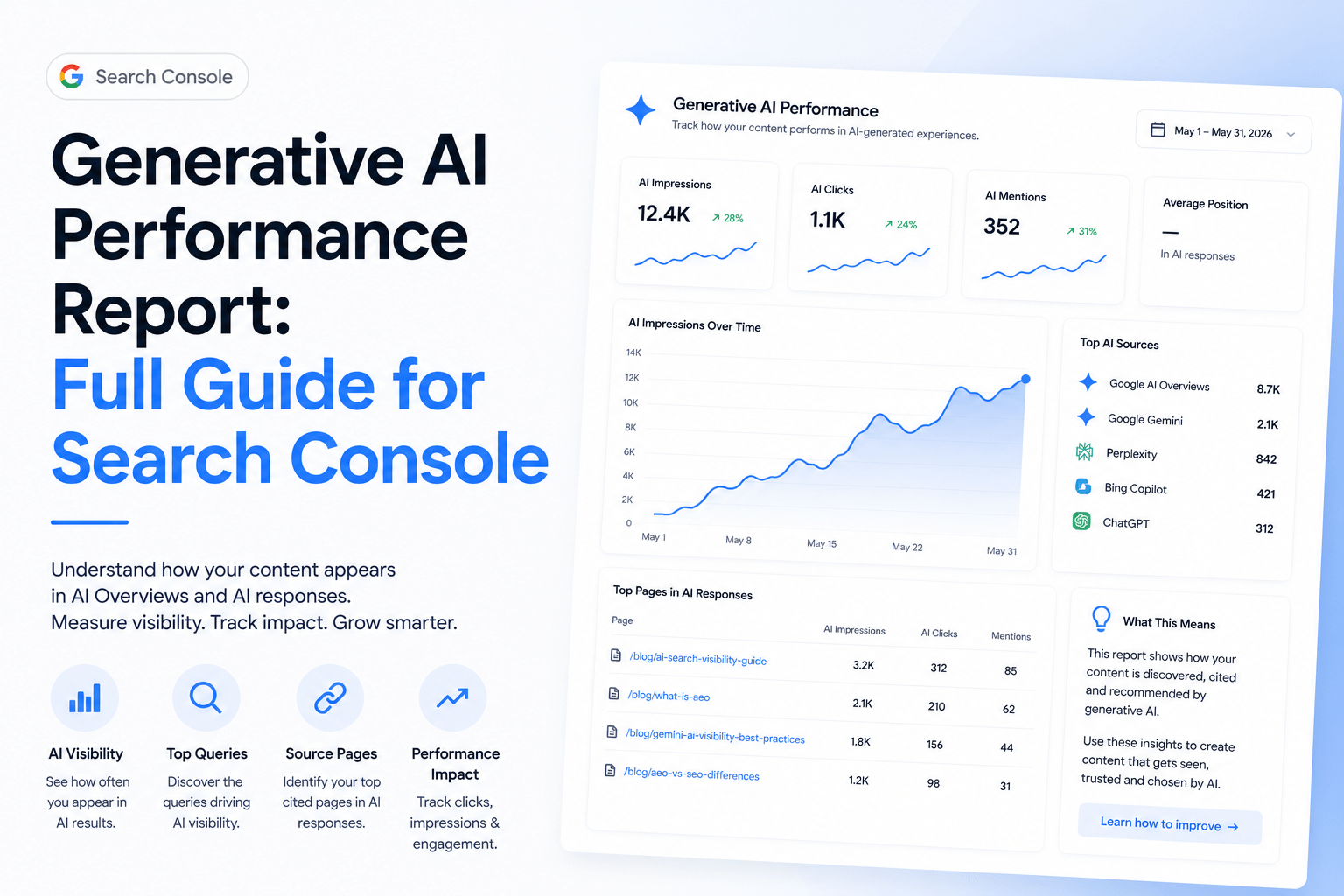
Google Search Console data is one of the most practical tools for improving google gemini ai visibility. Impressions, clicks, average position, and CTR data reveal which queries your content already appears for and where there are gaps. For example, a query with high impressions but low clicks may need a more focused, direct article. Tools like Remway use this data to surface content opportunities automatically, which removes the guesswork from planning.
How often should I update content to maintain Gemini AI visibility?
Updating content regularly is important for maintaining google gemini ai visibility. AI systems favour accurate, current information. Articles that have not been refreshed in a long time may lose their relevance and drop out of AI Overviews. A good practice is to review high-performing articles every six to twelve months. Updating facts, improving structure, and adding new sections based on Google search ranking data helps keep content competitive and AI-ready.