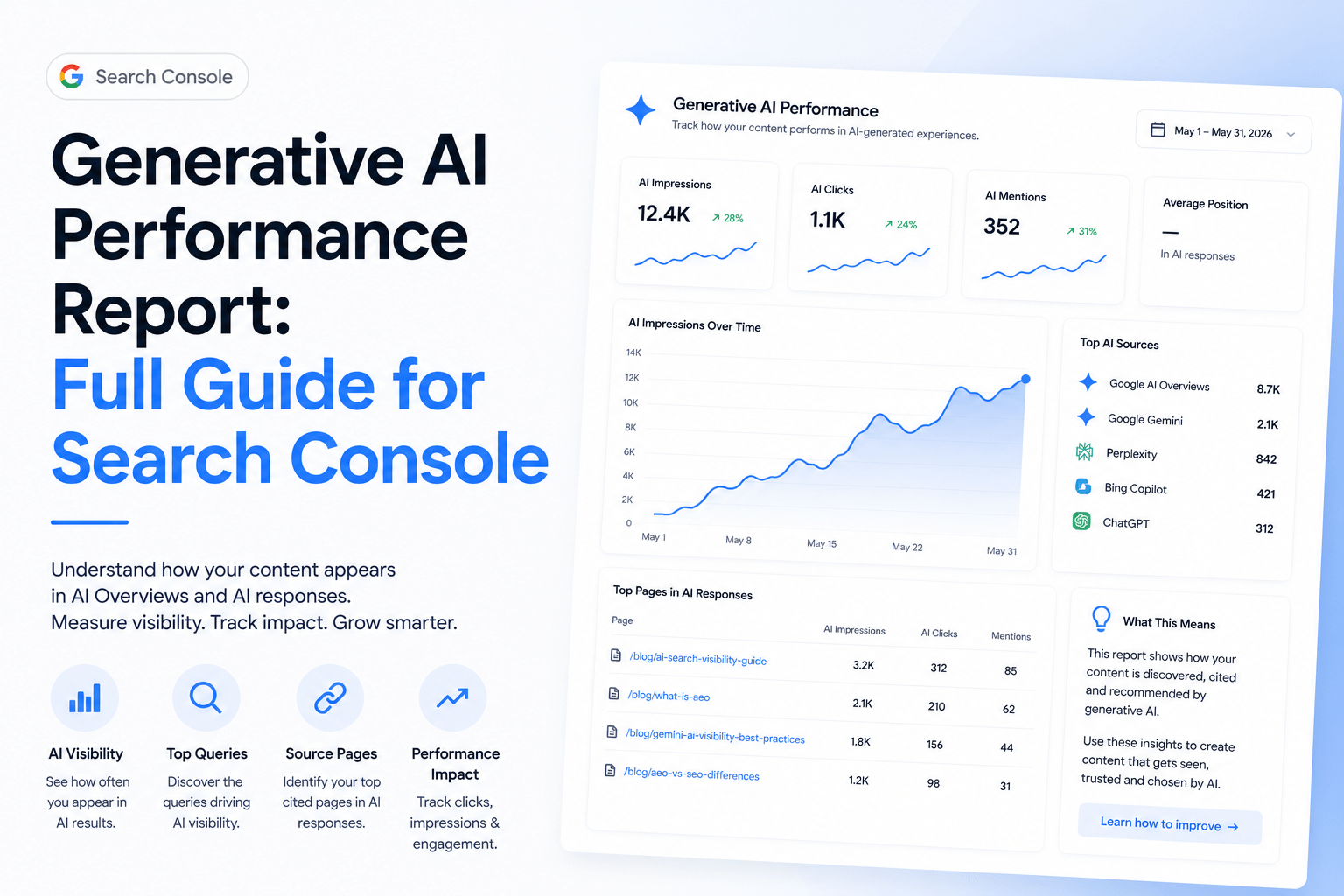
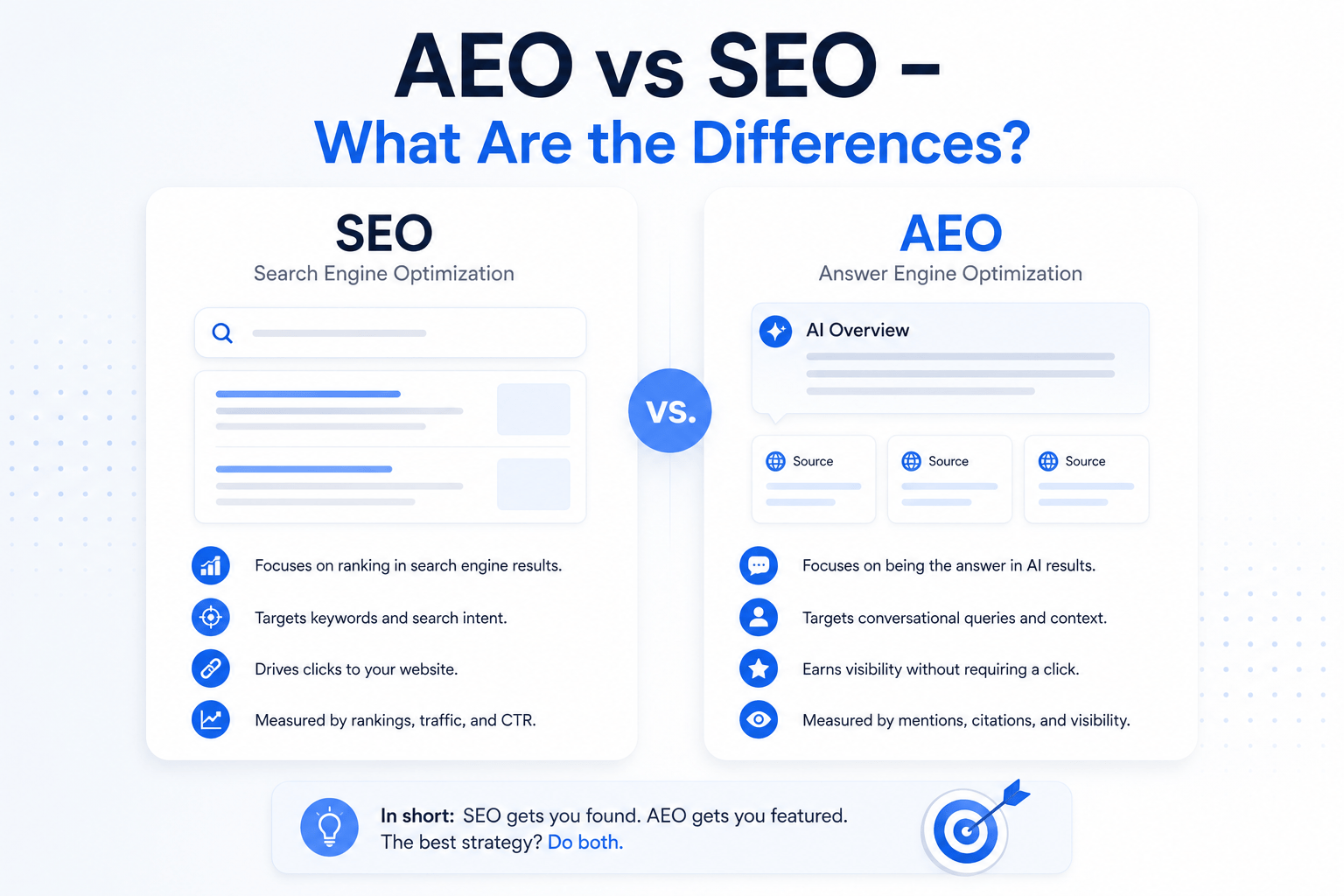
SEO vs AEO is one of the most important comparisons in search marketing right now. Both strategies aim to increase your visibility online, but they target different systems and produce different results. SEO focuses on ranking in traditional search engine results pages. AEO, or Answer Engine Optimisation, focuses on getting your content surfaced by AI-driven answer engines like ChatGPT, Perplexity, and Google’s AI Overviews. Understanding both helps you build a smarter content strategy for 2026 and beyond.
SEO vs AEO: What Each Strategy Actually Means
SEO vs AEO starts with understanding what each term means on its own. SEO (Search Engine Optimisation) is the practice of improving your website so it ranks higher in search engines like Google. It involves keyword research, on-page optimisation, backlink building, and technical improvements. The goal is to earn clicks from users browsing a list of results.
AEO (Answer Engine Optimisation) is the practice of structuring content so AI systems can extract and surface it as a direct answer. Instead of earning a click from a results page, AEO earns a mention or citation inside an AI-generated response. This includes tools like ChatGPT, Perplexity, Google Gemini, and similar platforms.
- SEO targets traditional search result pages and organic rankings
- AEO targets AI-generated answers and featured snippets
- SEO is driven by clicks and average position metrics
- AEO is driven by content clarity, authority, and structured information
- Both strategies rely on high-quality, relevant content as a foundation
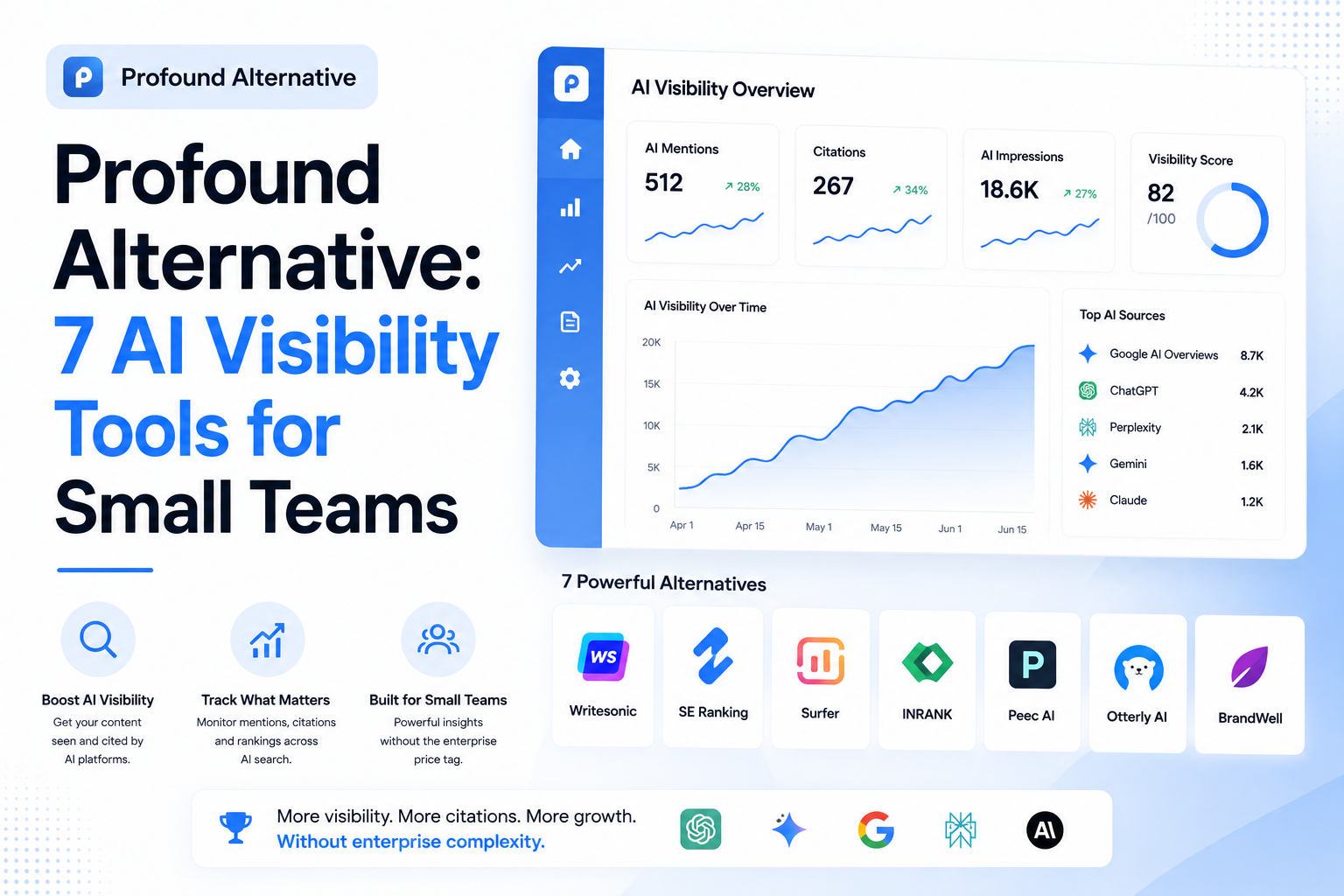
To go deeper on what is AI search visibility and how it fits into your content strategy, that guide covers the full picture in practical terms.
How SEO Works in 2026
SEO in 2026 is still built on the same core principles, but the competitive landscape has changed considerably. Search engines now use more sophisticated signals to evaluate content quality. Simply publishing keyword-rich pages is no longer enough to earn strong organic traffic.
Effective SEO today focuses on search intent. Google wants to serve results that match what a user actually wants, not just pages that repeat a keyword. Additionally, technical performance, mobile usability, and content freshness all play a role in how pages rank.
- Target keywords with clear search intent behind them
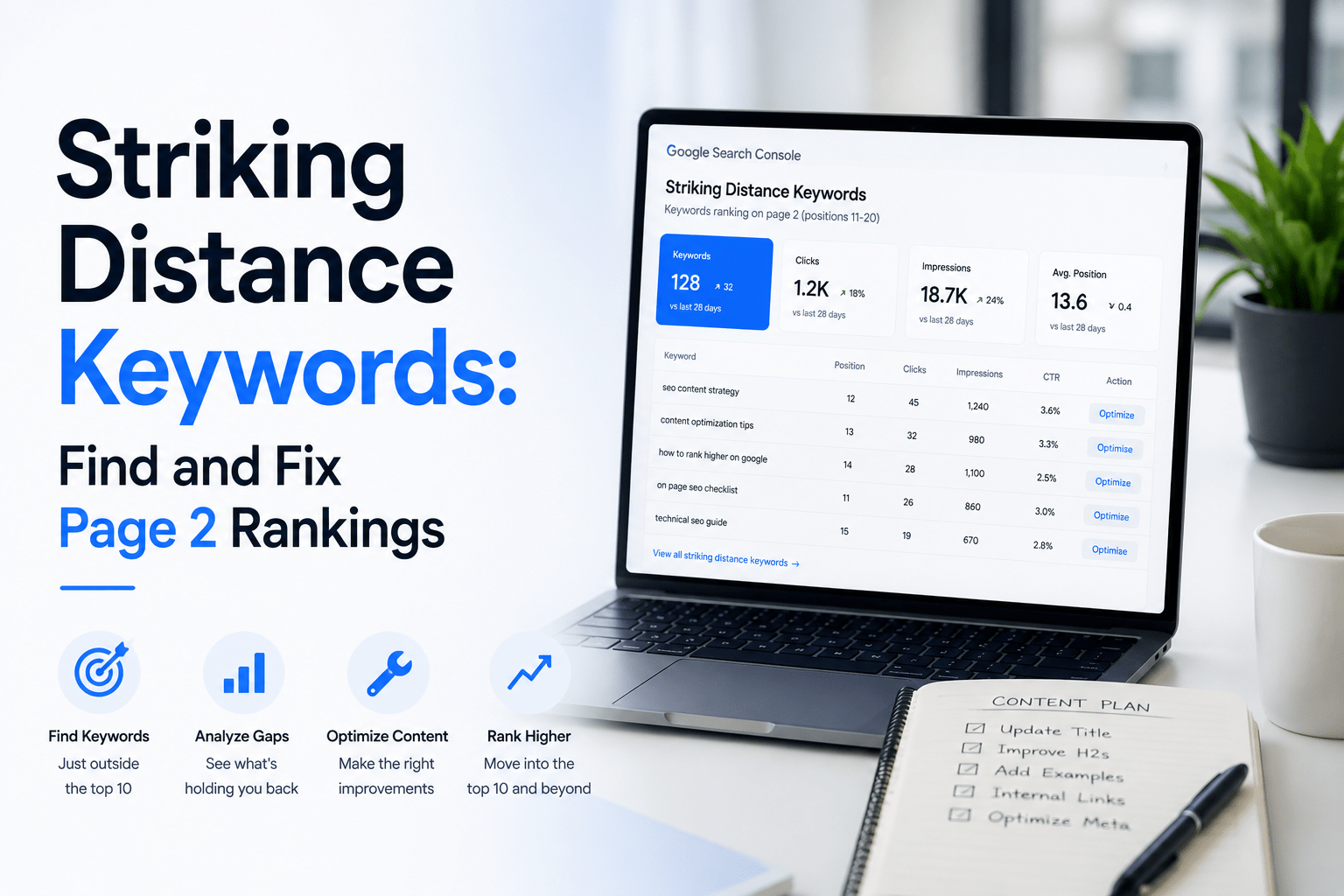
- Use Google Search Console to find real impressions and click data
- Build topical authority across a cluster of related articles
- Monitor average position and CTR to find content opportunities
Furthermore, content decay is a real challenge. Pages that once ranked well can drop over time without updates. Understanding this is important for any long-term SEO workflow. You can learn more about content decay and how to fix dropping rankings with a practical approach.
For a detailed breakdown of how to improve your Google search ranking in 2026, that guide walks through the most effective methods step by step.
How AEO Works and Why It Matters Now
AEO works by structuring content so that AI systems can confidently extract, summarise, and cite it in response to a user’s question. AI answer engines do not browse a list of results. Instead, they pull information from trusted sources and present it directly in the interface. Therefore, getting included in those answers requires a different approach than traditional SEO.
Content written for AEO needs to be direct, well-structured, and self-contained. Each paragraph should answer a specific question clearly. Headers should reflect real questions users ask. Definitions, comparisons, and lists all help AI engines understand and surface your content.
What Makes Content AEO-Ready
An AEO optimised article typically includes clear definitions, FAQ sections, structured headings, and direct answers at the start of each section. These elements signal to AI systems that your content is reliable and easy to extract.
- Write short, direct answers to specific questions
- Use FAQ sections with complete, standalone answers
- Structure content with descriptive H2 and H3 headings
- Include comparison tables and definition-style section openers
- Avoid vague language and use seo vs aeo style comparisons where relevant
Similarly, building trust signals like author information, clear sourcing, and consistent brand voice helps AI engines decide whether your content is worth citing.
SEO vs AEO: Key Differences Side by Side
SEO vs AEO differ most clearly in how success is measured and where your content gets discovered. SEO success shows up as clicks, impressions, and rankings inside Google Search Console. AEO success shows up as citations inside AI-generated responses, which are harder to track but increasingly valuable as AI search usage grows.
The table below compares the two strategies across the most important dimensions.
| Factor | SEO | AEO |
|---|---|---|
| Primary target | Google search results pages | AI answer engines (ChatGPT, Perplexity, Gemini) |
| Success metric | Clicks, impressions, average position, CTR | Citations, mentions, visibility in AI responses |
| Content style | Keyword-targeted, search-intent focused | Direct answers, structured, self-contained paragraphs |
| Key tactics | Backlinks, technical SEO, keyword density | FAQ sections, definitions, comparison tables |
| Traffic type | Click-through organic traffic | Brand awareness and zero-click visibility |
| Measurement tools | Google Search Console, rank trackers | AI visibility tools, manual prompt testing |
Consequently, most businesses benefit from pursuing both strategies together rather than choosing one over the other. SEO drives measurable organic traffic. AEO builds authority inside AI systems that millions of users now rely on daily.
Should You Prioritise SEO or AEO in Your Content Strategy?
Most websites in 2026 should invest in both SEO and AEO, but the right balance depends on your audience and goals. If your primary goal is driving website visits and generating leads through Google, SEO should remain your foundation. However, if your audience frequently uses AI tools to research products or services, AEO visibility becomes increasingly important.
For newer websites, SEO comes first. Building organic search visibility through real search queries and search data gives you a measurable base. Once you have content ranking and generating impressions, you can layer AEO principles on top to extend your reach into AI search.
Practical Steps to Cover Both
- Use Google Search Console data to find real content opportunities
- Write articles that answer specific questions clearly and directly
- Add FAQ sections and structured headings to every article
- Monitor your AI search visibility best practices to stay ahead of changes
- Review Google Gemini AI visibility guidelines to optimise for Google’s AI systems specifically
Furthermore, if you are starting from scratch, the guide on growing a new website with AI covers how to build both SEO and AEO foundations from day one.
How Remway Supports Both SEO and AEO Content Planning
Remway is an SEO content tool that connects directly to Google Search Console, helping you find content opportunities from real search data rather than guesswork. Instead of wondering what to write next, Remway surfaces low-hanging SEO opportunities based on your actual impressions, clicks, and average position data.
Remway also helps you create SEO-ready articles that follow the content structure needed for AEO. Clear headings, direct answers, and well-organised content all serve both strategies at once. As a result, every article you produce with Remway is built to rank in traditional search and to be surfaced in AI-generated answers.
In fact, seo vs aeo is not a choice you need to make manually every time you write. With the right content planning workflow, both strategies can be addressed in a single, well-structured article. Remway makes that process faster and more consistent for founders, marketers, and small teams who want to grow without guessing.
If you want to see how Remway can support your content strategy with real search data, you can book a free 30-minute call to walk through your current content opportunities together.
Frequently Asked Questions
What is the main difference between SEO and AEO?
SEO vs AEO comes down to where your content gets discovered. SEO focuses on ranking in traditional search engine results pages so users click through to your website. AEO focuses on getting your content cited inside AI-generated answers from tools like ChatGPT, Perplexity, and Google Gemini. SEO is measured by clicks and rankings. AEO is measured by how often AI systems surface your content in their responses.
Can you do SEO and AEO at the same time?
Yes, and most websites benefit from combining both strategies. Content that is well-structured, clearly written, and answer-focused tends to perform well in both traditional search and AI answer engines. Writing with clear headings, FAQ sections, and direct answers helps satisfy both SEO requirements and AEO principles simultaneously. Therefore, a good content strategy in 2026 should account for both without treating them as separate workflows.
Does AEO replace SEO in 2026?
AEO does not replace SEO in 2026. Traditional search engines still drive significant organic traffic for most websites. However, AI search tools are growing in usage, and businesses that ignore AEO risk losing visibility where their audience is spending more time. The smarter approach is to treat AEO as an extension of your existing SEO content strategy, not a replacement for it.
How do you measure AEO success?
Measuring AEO success is less straightforward than measuring SEO. Because AI-generated answers often do not produce direct clicks, you typically track AEO through brand mention monitoring, manual prompt testing across AI tools, and tools designed to track AI visibility. Additionally, monitoring whether your content gets cited in Google’s AI Overviews is a useful way to evaluate your AEO progress over time.
What type of content works best for AEO?
Content that works best for AEO is direct, structured, and self-contained. AI engines prefer content that clearly defines terms, answers specific questions, and organises information with descriptive headings. FAQ sections, comparison tables, and definition-style paragraph openers all help AI systems extract and cite your content confidently. In contrast to general SEO content, AEO content should be written so that each section makes sense on its own, without needing context from surrounding paragraphs.