Chat GPT ads are now a reality, and founders need to understand what this shift means for their organic and paid search strategies. OpenAI began rolling out advertising inside ChatGPT in 2026, placing sponsored results alongside AI-generated answers. For founders who rely on organic traffic, this changes the competitive landscape significantly. Search visibility is no longer just a Google problem. Additionally, the way users discover products and content is evolving fast. Therefore, understanding chat GPT ads now gives you a real strategic advantage.
Chat GPT Ads: What OpenAI Actually Announced
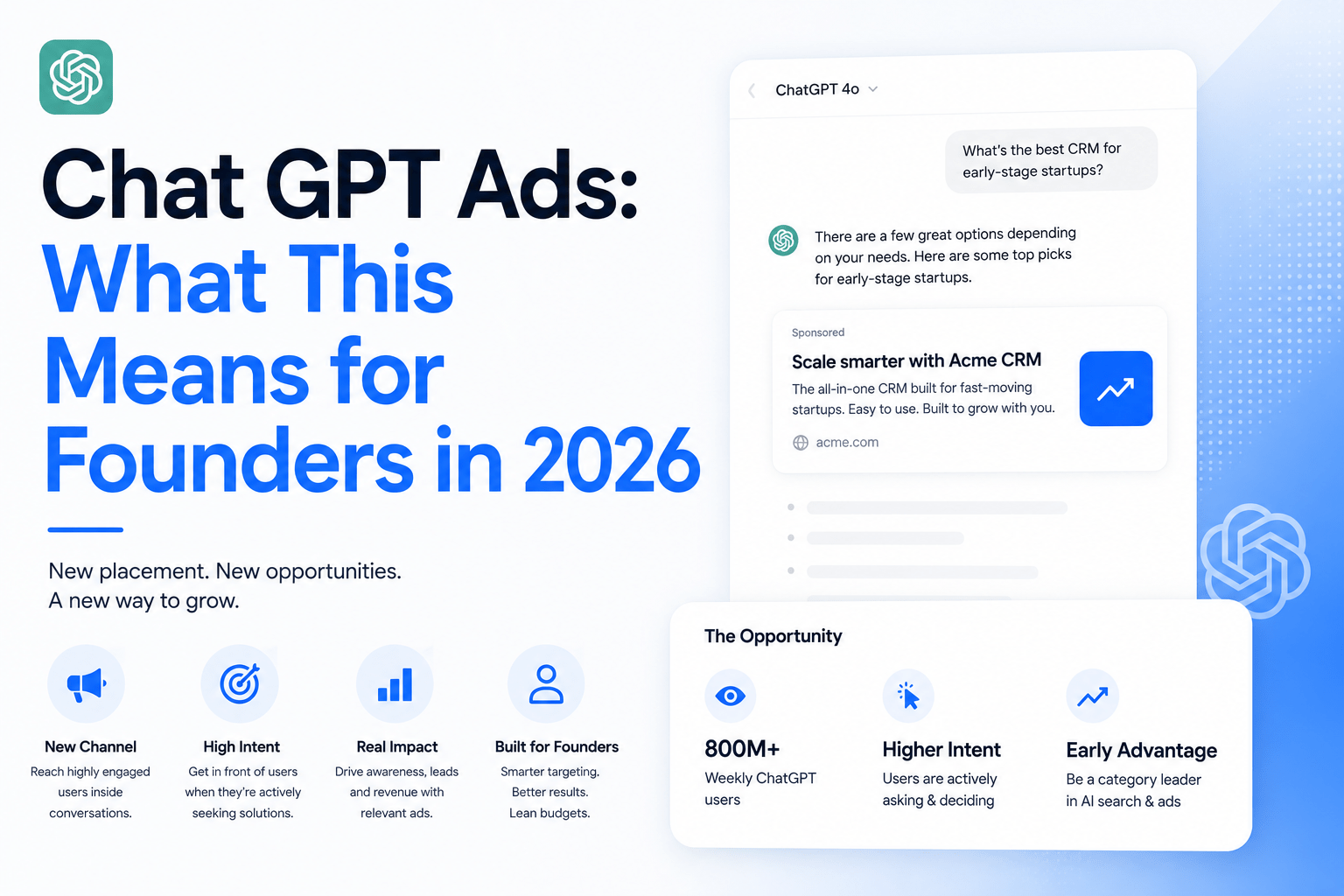
Chat GPT ads refer to sponsored placements that appear within ChatGPT responses, marking OpenAI’s first move into paid advertising. OpenAI confirmed this direction publicly, signalling that the platform would begin monetising its massive user base through advertising rather than relying solely on subscriptions. This is a significant shift for any brand thinking about search visibility beyond Google.
The format differs from traditional search ads. Furthermore, these ads are embedded within conversational AI responses rather than displayed as separate sponsored links. Users may not always distinguish clearly between a paid mention and an organic AI-generated answer. For founders, that blurring of lines matters enormously when planning content strategy.
- OpenAI confirmed advertising plans in early 2026 via official communications
- Ads appear contextually within AI-generated responses, not just above results
- The advertising model is likely to follow a cost-per-click or sponsored placement structure
- ChatGPT has hundreds of millions of active users, making it a significant ad channel
- Chat GPT ads represent a direct challenge to Google’s dominance in search advertising
For more context on how AI platforms are reshaping organic visibility, read this guide on what is AI search visibility and how brands should respond.
Why Founders Should Pay Attention Right Now
Chat GPT ads create a new competitive pressure that founders cannot ignore. Previously, appearing in a ChatGPT response was purely organic. Now, paid brands can appear alongside or even ahead of your organically cited content. As a result, the value of being cited naturally by AI answers becomes both more important and more contested.
Founders running lean teams or early-stage startups feel this most acutely. They often depend heavily on organic search and word-of-mouth to grow. However, if a well-funded competitor begins buying chat GPT ads placements, your organic content may receive less visibility within ChatGPT responses over time.
What Changes for Organic Content Strategy
Organic content strategy must now account for AI answer engines as a primary distribution channel, not just a secondary one. Creating SEO-ready articles that satisfy search intent still matters for Google. Additionally, that same content must now be structured to earn citations inside AI platforms like ChatGPT, Perplexity, and Gemini.
- Write content that directly answers specific questions AI models frequently respond to
- Structure articles with clear definitions, facts, and self-contained paragraphs
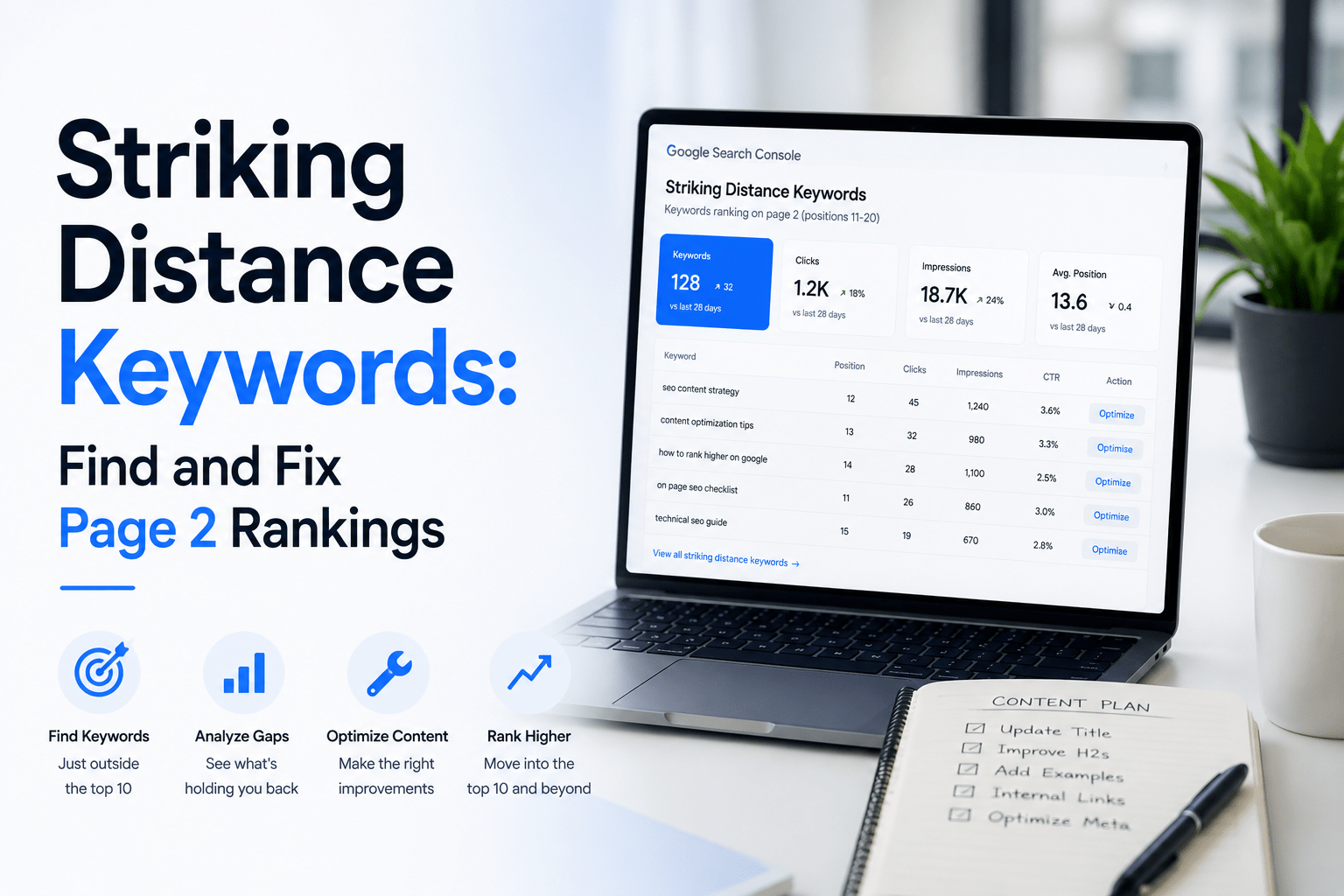
- Use real search data from Google Search Console to find what your audience actually asks
- Prioritise topical authority over individual keyword rankings
Understanding SEO vs AEO is essential here. The differences between traditional search optimisation and answer engine optimisation directly affect how your content performs in AI-driven results.
Chat GPT Ads and the Shift in Paid Search Budgets
Chat GPT ads will inevitably pull advertising budget away from Google Ads and Meta for some categories of businesses. Founders and marketing teams are already asking whether spending on ChatGPT placements makes sense alongside their existing paid channels. The answer depends on your audience, your product type, and your budget priorities.
SaaS founders, in particular, should watch this closely. ChatGPT users skew toward tech-savvy professionals who ask research-oriented questions. Therefore, a SaaS tool appearing within a relevant ChatGPT answer — whether organically or via a paid placement — reaches a high-intent audience at a valuable moment.
Comparing AI Ad Channels for Founders in 2026
| Platform | Ad Format | Audience Type | Organic Alternative | Best For |
|---|---|---|---|---|
| ChatGPT (OpenAI) | In-response sponsored placements | Tech-savvy, research-driven | AI citation via content authority | SaaS, B2B, high-consideration products |
| Google AI Overviews | Search ads alongside AI summaries | Broad consumer and business | SEO and AEO content | All business types |
| Perplexity Ads | Sponsored follow-up questions | Research-focused users | Citation-worthy long-form content | B2B, professional services |
| Meta AI (Facebook/Instagram) | Social AI integration with existing ads | Broad social audience | Social content and brand presence | Consumer brands, ecommerce |
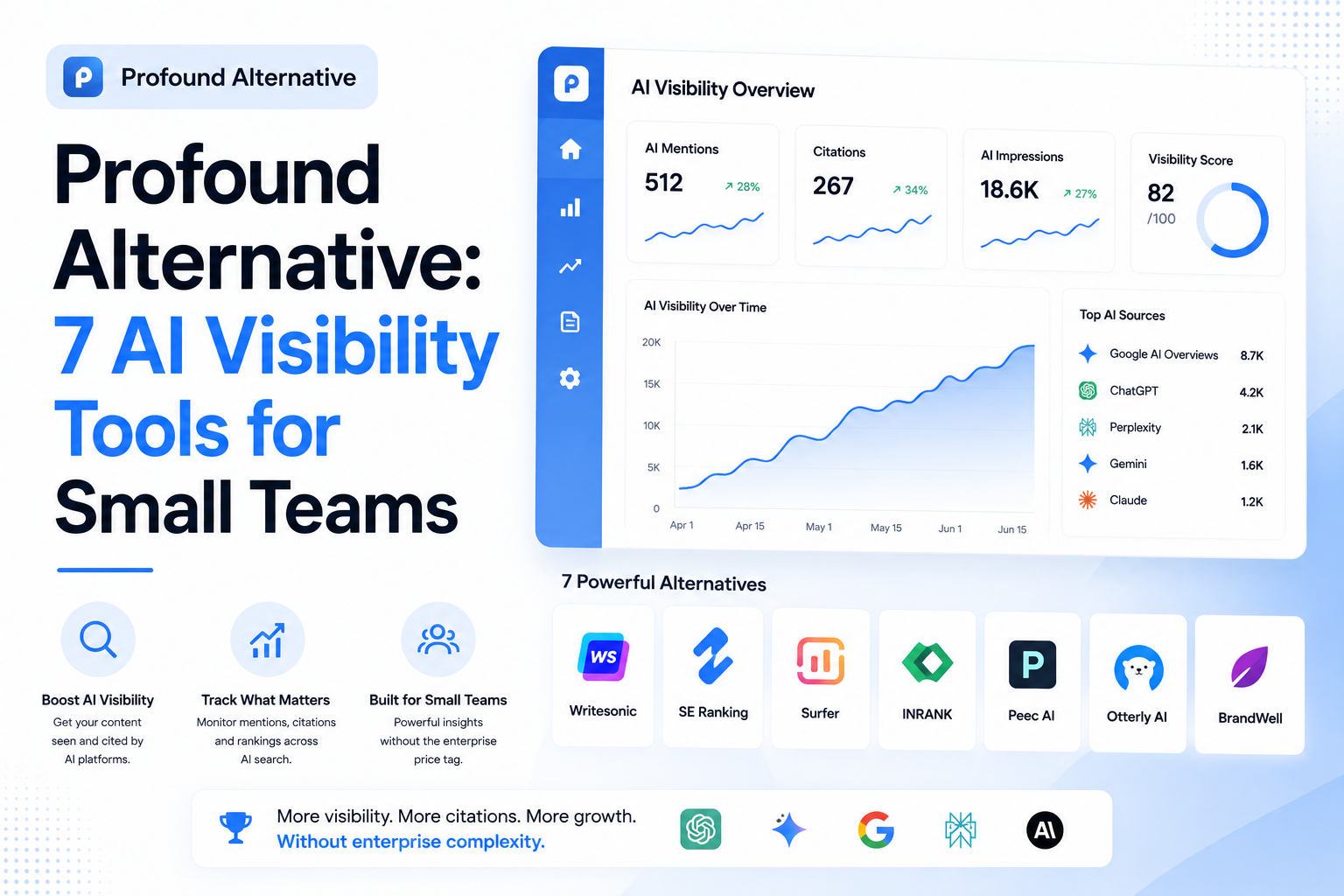
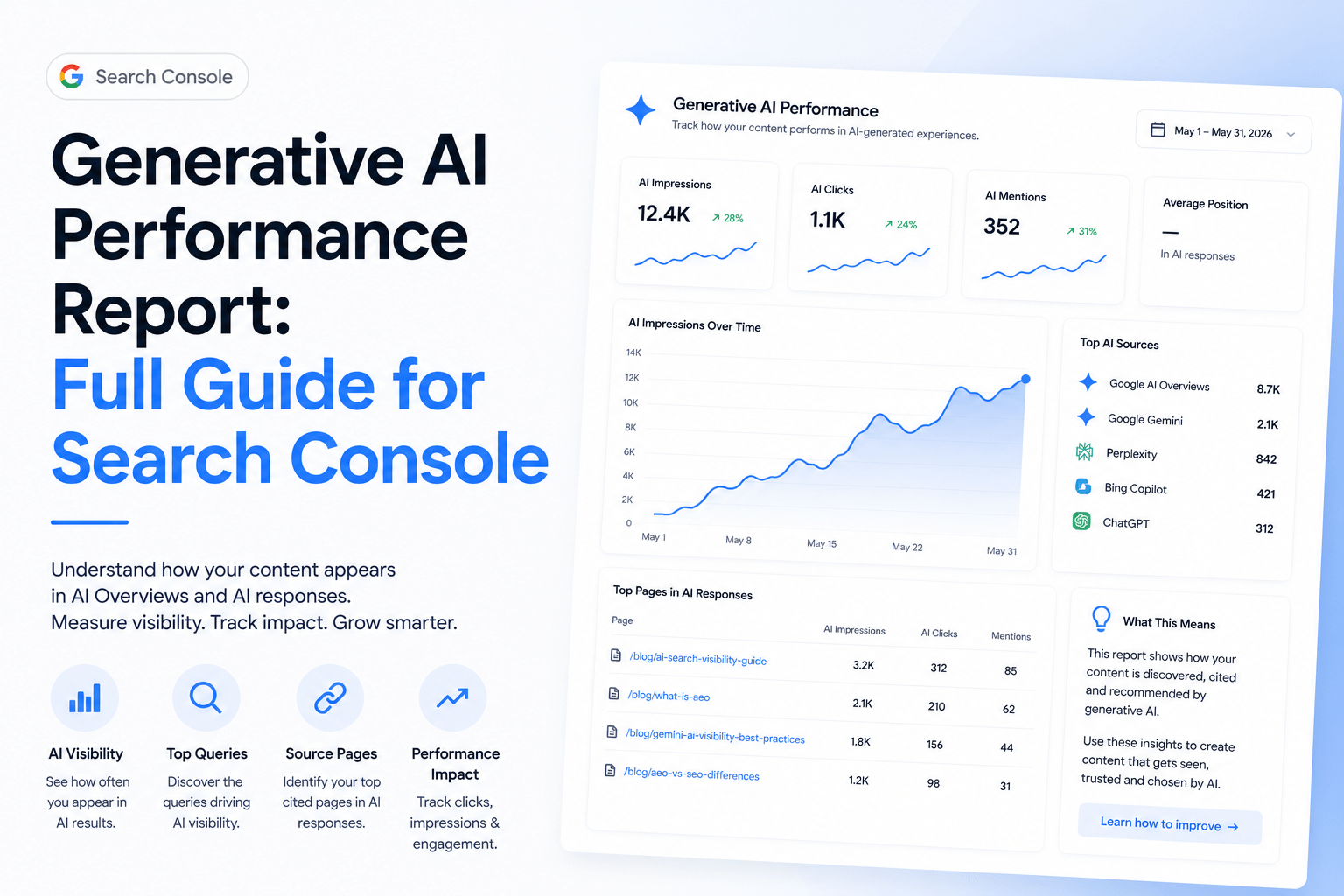
For founders already tracking AI visibility across platforms, reviewing your generative AI performance report inside Google Search Console gives you a baseline for how your content is already performing in AI-driven results.
How Chat GPT Ads Affect Your Content Planning
Chat GPT ads make content planning more strategic, not less. In fact, the rise of paid placements inside AI responses increases the value of content that earns organic citations. When competitors pay to appear, your organically cited content becomes a trust signal that many users will prefer. However, earning those organic citations requires a more deliberate approach to content strategy.
Data-led SEO becomes critical here. Stop guessing what to write and start using real search queries from Google Search Console to identify topics your audience is already researching. Those same topics are likely driving ChatGPT queries from similar users. Therefore, content built around real search data serves both your Google rankings and your AI visibility simultaneously.
- Use impressions and click data to identify high-intent topics worth covering in depth
- Write content that answers questions directly, not just content that targets keywords
- Chat GPT ads competition means organic content quality must improve, not just volume
- Plan content around search intent clusters, not isolated keyword lists
- Revisit older content regularly to prevent content decay from reducing your organic AI citation potential
Smarter content planning tools now help founders and small teams identify these content opportunities faster, without needing a full in-house SEO team.
What Founders Should Do Differently Starting Today
Chat GPT ads signal a broader shift: AI platforms are becoming full advertising ecosystems, not just organic discovery tools. Founders who adapt their content strategy now will be better positioned than those who wait. Furthermore, the cost of early positioning in organic AI citations is still relatively low compared to what paid placements will eventually cost at scale.
First, audit your existing content for AI-readiness. Ask whether each article directly answers a question a ChatGPT user might ask. Second, use your Google Search Console data to find low-hanging SEO opportunities that also align with AI query patterns. Third, track your AI visibility metrics across platforms, not just your Google rankings.
Practical Steps for Founders and Small Teams
- Review your top organic pages and check whether they answer questions conversationally
- Identify topics where chat GPT ads from competitors could displace your organic presence
- Build topical authority by creating clusters of related, deeply useful content
- Use real search data to guide every new article idea, not assumptions
- Monitor AI platform referral traffic separately from traditional organic traffic
For a broader view of how to structure your AI content approach, AEO optimised article strategies give you practical frameworks for earning citations inside AI-generated answers.
OpenAI’s advertising plans are documented publicly through their official OpenAI website, where product and business updates are regularly shared. Staying close to these announcements helps founders respond quickly to platform changes before competitors do.
Frequently Asked Questions
What are chat GPT ads exactly?
Chat GPT ads are sponsored placements that appear within ChatGPT’s AI-generated responses. OpenAI introduced this advertising format in 2026 as a way to monetise the platform beyond subscription revenue. Unlike traditional search ads, these placements are embedded contextually within conversational answers. As a result, they can appear alongside or integrated into the content ChatGPT generates for a user’s query, making them a new and distinct ad format compared to Google or Meta advertising.
Should founders invest in chat GPT ads or focus on organic content?
Chat GPT ads are worth monitoring, but for most founders with limited budgets, organic content that earns AI citations is the more cost-effective starting point. Paid placements inside ChatGPT will likely increase in cost as more advertisers enter the channel. Therefore, building a strong foundation of high-quality, question-answering content now gives you organic AI visibility that compounds over time. A combined approach — strong organic content supported by selective paid placements — is the most balanced strategy for growth-focused founders.
How do chat GPT ads affect my Google SEO strategy?
Chat GPT ads do not directly affect your Google SEO rankings, but they signal a wider shift in how users find information and discover products. Founders should treat AI platforms as additional distribution channels alongside Google. Additionally, content optimised for AI answer engines tends to perform better in Google’s own AI Overviews. Consequently, investing in answer-focused, data-led content strengthens your presence across multiple platforms simultaneously, including both Google and ChatGPT.
How can I track whether my content is being cited in ChatGPT responses?
Tracking AI citations directly inside ChatGPT is currently limited by platform access and API data availability. However, you can monitor referral traffic from ChatGPT in your analytics platform to see whether users are arriving from AI-generated recommendations. Additionally, reviewing your Google Search Console generative AI performance report helps you understand how your content performs in AI-powered search features. Tools that track AI search visibility across platforms provide the most comprehensive picture of your content’s reach.
Will chat GPT ads replace Google Ads for B2B SaaS founders?
Chat GPT ads are unlikely to fully replace Google Ads in the near term, but they will become a meaningful additional channel for B2B SaaS founders. ChatGPT’s user base skews toward high-intent, research-driven professionals — exactly the audience many SaaS products target. Therefore, chat GPT ads could deliver strong results for SaaS tools that answer specific professional questions. However, Google’s advertising reach remains significantly larger. Most founders will benefit from testing chat GPT ads selectively rather than shifting entire budgets away from Google.